




A warning light on your Jeep dashboard can raise a simple question fast. Is this something small, or do you need to act right now? Some alerts are reminders. Others are signs that your Jeep needs attention before a minor issue turns into a bigger repair.
Jeep dashboard symbols and warning lights can point to anything from low tire pressure to a more urgent brake, battery, or engine problem. Knowing what those lights usually mean can help you protect your vehicle, avoid extra stress, and make a smarter decision about your next step.
That matters when you are commuting through High Point, heading across Greensboro or Winston-Salem, or trying to keep your day on track. When a light comes on, clear information helps you move faster and with more confidence.
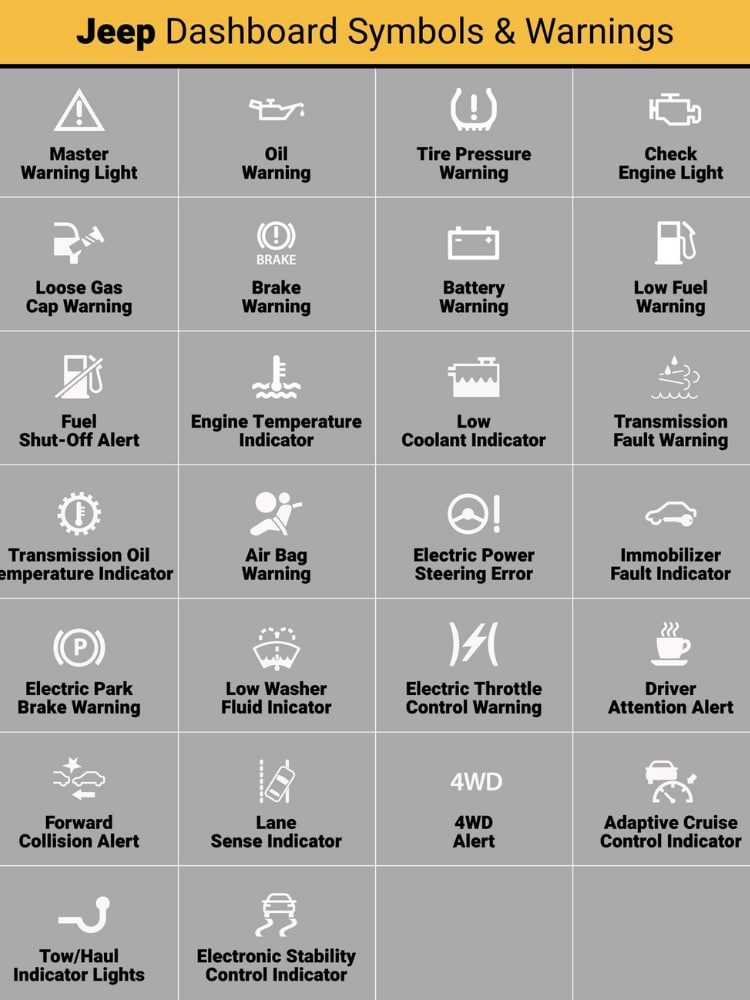
Jeep Dashboard Symbols and Warning Lights at a Glance
Your Jeep dashboard is there to help you stay informed, not caught off guard. Some lights confirm that a feature is active. Others warn you that a system may need attention. The faster you recognize the message, the easier it is to protect your Jeep and avoid unnecessary risk.| Symbol or Alert Type | What It Usually Means | Urgency | What You Should Do |
|---|---|---|---|
| Check Engine Light | The engine or emissions system has detected a fault | Medium to High | Tighten the gas cap if needed, watch for rough driving, and schedule service if the light stays on |
| Battery Warning Light | The charging system may not be working correctly | High | Limit driving and have the vehicle checked soon |
| Oil Pressure Warning Light | Oil pressure may be too low | High | Stop driving when safe and check the situation right away |
| Brake Warning Light | A brake system issue or parking brake concern may be present | High | Confirm the parking brake, then schedule service if the light remains on |
| ABS Warning Light | The anti-lock braking system may need attention | Medium | Braking may still work, but you should have it inspected |
| Tire Pressure Warning Light | One or more tires may be underinflated | Medium | Check tire pressure and inflate to the recommended level |
| Coolant Temperature Warning | The engine may be overheating | High | Pull over when safe and let the vehicle cool |
| Air Bag Warning Light | The air bag system may need service | High | Schedule inspection as soon as possible |
| Traction or Stability Light | Stability or traction control may be active or may need attention | Low to Medium | If it stays on, have the system checked |
A quick look at the type of alert can help you decide what to do next. Some lights mean keep an eye on it. Others mean do not wait.
What the Colors on Your Jeep Dashboard Usually Mean
Dashboard colors help you judge urgency at a glance. Red usually means stop and pay attention right away. That can include oil pressure, overheating, or brake-related alerts. These warnings should never be brushed off.
Yellow or amber usually means caution. Your Jeep may still be safe to drive for the moment, but something needs attention soon. Green or blue lights are often informational and may simply show that a feature is active.
This matters because the color often tells you how seriously to take the alert before you even read the symbol. That can help you make a calmer, smarter decision when you are on the road.
Common Jeep Dashboard Warning Lights and What to Do Next
Some alerts show up more often than others. When they do, knowing the usual meaning can help you avoid guesswork and respond sooner.
Check Engine Light
This is one of the most common dashboard warnings. It can point to something minor, like a loose gas cap, or something more involved in the engine or emissions system. If the light stays on, it is time to get it checked. If it flashes, treat it as more urgent.
Tire Pressure Warning Light
This light often appears when one or more tires are low, especially after colder temperature swings. If your Jeep shows individual tire pressures, use that information and inflate the tires to the recommended level. Taking care of low pressure early can help protect handling, tire life, and fuel efficiency.
Battery Warning Light
A battery or charging-system light can mean your Jeep is not charging the way it should. That can affect how far you should keep driving. If this light comes on, it is smart to reduce extra stops and get the vehicle checked before the problem leaves you stranded.
Oil Pressure Warning Light
This is one of the most serious alerts on the dash. Low oil pressure can put the engine at risk fast. If this light comes on, pull over when it is safe and avoid pushing your Jeep any farther than necessary.
Brake and ABS Lights
A brake warning light may mean the parking brake is engaged, brake fluid is low, or another brake-system issue needs attention. An ABS light means the anti-lock braking system may not work as expected in a harder stop. You may still be able to drive, but you should not wait too long to have it inspected.
Coolant Temperature Warning
If your Jeep starts running hot, do not try to power through it. An overheating engine can lead to more expensive damage. Pull over when it is safe, let the vehicle cool, and deal with the problem before normal driving continues.
Air Bag and Traction Control Lights
An air bag light should be taken seriously because it may affect a key safety system. A traction or stability light that stays on may also signal that the system needs attention. These features matter when road conditions change and you want your Jeep to respond the way it should.
How Jeep Digital Displays and Uconnect Help You Stay Informed
Many Jeep models do more than flash a simple warning icon. Digital cluster displays and available Uconnect features can also show vehicle messages, tire pressure details, fuel data, and other useful information that helps you understand what is happening.
That makes a real difference in daily driving. Clearer information helps you catch issues earlier, respond faster, and avoid turning a small warning into a bigger disruption. Depending on the model, year, and equipment, your Jeep may give you more detailed messages right in the cluster or through the infotainment system.
That kind of tech is most useful when it saves you time and confusion. You do not need more noise. You need information you can actually use.
Why Dashboard Alerts Can Vary From One Jeep to Another
Not every Jeep dashboard looks or behaves the same way. The exact symbols, screens, and messages can vary by model, year, trim, and equipment. A Wrangler, Grand Cherokee, Gladiator, Compass, or Wagoneer-family model may not present the same warning in the same format.
That is important because a general dashboard page can help with common alerts, but your owner’s manual gives the most model-specific detail. When the symbol is unfamiliar, the wording is unclear, or more than one light comes on at once, getting a clear diagnosis can save you time and worry.
The point is not to memorize every icon. The point is to know when the warning is minor, when it is urgent, and when it is time to get help.
When You Can Keep Driving and When You Should Stop
Some warnings let you finish your drive and deal with the issue soon after. Others should change your plan right away. If you see a red warning tied to oil pressure, overheating, or braking, play it safe and act quickly.
Yellow or amber warnings often allow a little more flexibility, but they still should not be ignored. If your Jeep is running rough, losing power, smelling unusual, or showing several warning lights at once, the situation moves out of the routine category.
Knowing that difference can help you protect your Jeep, avoid bigger repair costs, and make better decisions while you are still on the road.
Get Jeep Dashboard Help in High Point, NC
When a dashboard light stays on, the most important thing is getting a clear answer. If you are driving in High Point, Greensboro, Winston-Salem, Burlington, Lexington, Asheboro, or the Charlotte area, having local Jeep support nearby can make the next step a lot easier.
At Ilderton Dodge Chrysler Jeep RAM FIAT, you can get help identifying dashboard warnings, checking the issue, and finding out what service makes sense next. Visit 701 S Main St, High Point, NC 27260 or call 336-899-7992 to connect with the service team. A quick diagnosis today can help you avoid more hassle tomorrow.